

The sight of 7,000 steps in the evening can motivate - or put unnecessary pressure on you. If you want to evaluate your activity level with a smart ring, you should therefore see more than a single number. What matters is not whether your day looks perfect, but whether you understand how exercise, exertion, and recovery interact for you.
A smart ring discreetly accompanies you from the first walk to the coffee machine to the last evening stroll. It fits an active lifestyle without taking center stage on your wrist. The data only become truly valuable when you use them as personal guidance - not as a daily evaluation.
What your activity level really says
The activity level summarizes how much and how intensely you moved throughout the day. Depending on the ring and app, this includes, among other things, steps, active time, workouts, calorie consumption, and rest periods. These values help you make your movement behavior visible, which otherwise quickly gets lost in the full everyday life.
Maybe you sit at your desk for a long time for work and exercise for 45 minutes in the evening. Maybe you are not sporty, but get a lot of natural movement through routes, stairs, and errands. Both days can be active, but feel different. That is exactly why an activity value is not a competition with others, but a snapshot of your own day.
A high value does not automatically mean that more is always better. If intense sessions meet short nights, stress, and few breaks, additional exertion can be counterproductive. Conversely, a quiet day after a strenuous week is not a step backward, but often the right decision.
Evaluating activity level with a smart ring: How to do it
Do not immediately look at your smartphone after every single value. Data become meaningful through repetition. Wear the ring for one to two weeks as regularly as possible first, so that a realistic picture of your habits emerges. After that, you will more easily recognize which days are typical and which are exceptions.
1. First know your personal starting point
Mentally note how active you would have estimated yourself to be before looking at the app. Then compare this feeling with your data. Many people find that although they exercise regularly, they still have long periods of inactivity on workdays. Others notice that their everyday movement is already significantly higher than they thought.
Your starting point is more valuable than a general daily goal. If you have been reaching an average of 4,500 steps so far, a permanent increase to 6,000 steps is often more meaningful and motivating than the jump to 10,000. Small goals can be better integrated into everyday life - and thus more likely to become a habit.
2. Categorize steps correctly
Steps are easy to understand, but not the whole picture. A short run, a bike ride, strength training, or yoga are depicted differently depending on the movement and detection. Someone who only looks at the step count could underestimate an intense workout.
Use steps primarily as a measure for your everyday movement. They reliably show whether you move more between appointments, on the way to work, or during your lunch break than usual. A walk after eating, a phone call while walking, or an extra walk on foot make a noticeable difference over weeks.
3. Check active phases instead of just total movement
A day with many steps can consist of a long hike or many short walks. Both have their place. Additionally, pay attention to whether you manage active phases throughout the day. Especially in a sedentary job, short movement breaks often relieve the body and mind more than expected.
You do not need to build a perfect routine for this. Ten minutes of fresh air before the first appointment, a walk around the block during lunch, or stairs instead of the elevator are simple anchors. The smart ring makes visible whether these small decisions actually happen regularly.
4. Always compare activity with recovery
The best evaluation arises when you do not look at activity in isolation. Look at nights with good sleep and compare them with days when you feel light and capable. Is there a movement pattern that visibly does you good? Or do particularly intense days regularly follow with worse nights and a feeling of exhaustion?
These connections are personal. Some people sleep better after an evening walk, others need more time to wind down after late, intense training. Your ring provides clues, but no rigid rules. Your body feeling, your everyday life, and your goals remain the standard.
What patterns you should look for in the app
A single Monday says little. A recurring pattern says a lot. Therefore, look at your values over weeks and look for connections between work life, training, sleep, and free days.
Four questions are particularly helpful:
- On which days do I naturally move the most?
- When do long sitting phases arise?
- Which activities give me energy instead of just exhausting me?
- How does my activity behavior change after a good or short night?
How to set goals that fit your life
Goals work when they are attractive and achievable. A smart ring can remind you not to postpone movement until the weekend. But it should not cause you to still run laps around the apartment in the evening just to fulfill a value.
Set yourself a single movement goal for the next two weeks. This can be a moderate increase in your average steps. Maybe you want to incorporate an active break on three workdays or establish a regular walk. Choose a goal that feels realistic even on busy days.
After that, check not only whether you reached the goal, but how it affected you. Were you more balanced? Did you have more energy? Did the routine make your everyday life easier or rather more stressful? Data show the development, your perception explains its meaning.
Common mistakes in activity evaluation
The most common mistake is the daily comparison with other people's values. Bodies, professions, fitness levels, mobility, and life phases differ greatly. A number can only make sense in a personal context.
Drawing conclusions too quickly also easily leads in the wrong direction. An unusually quiet day can be due to travel, illness, a day off, or simply a long movie night. Evaluate trends instead of outliers and give changes time.
Also, do not rely solely on automatic workout detection. Check after exercise whether the session was recorded correctly, and add or correct it in the app if necessary. This keeps your overall picture consistent.
A ring that fits your everyday life
A smart ring is particularly practical if you prefer to wear health data discreetly rather than a large watch on your wrist. The Fitorb™ Smart Ring Pro combines this minimalist design with insights into activity, sleep, and recovery. This keeps your focus where it belongs: on habits that suit you.
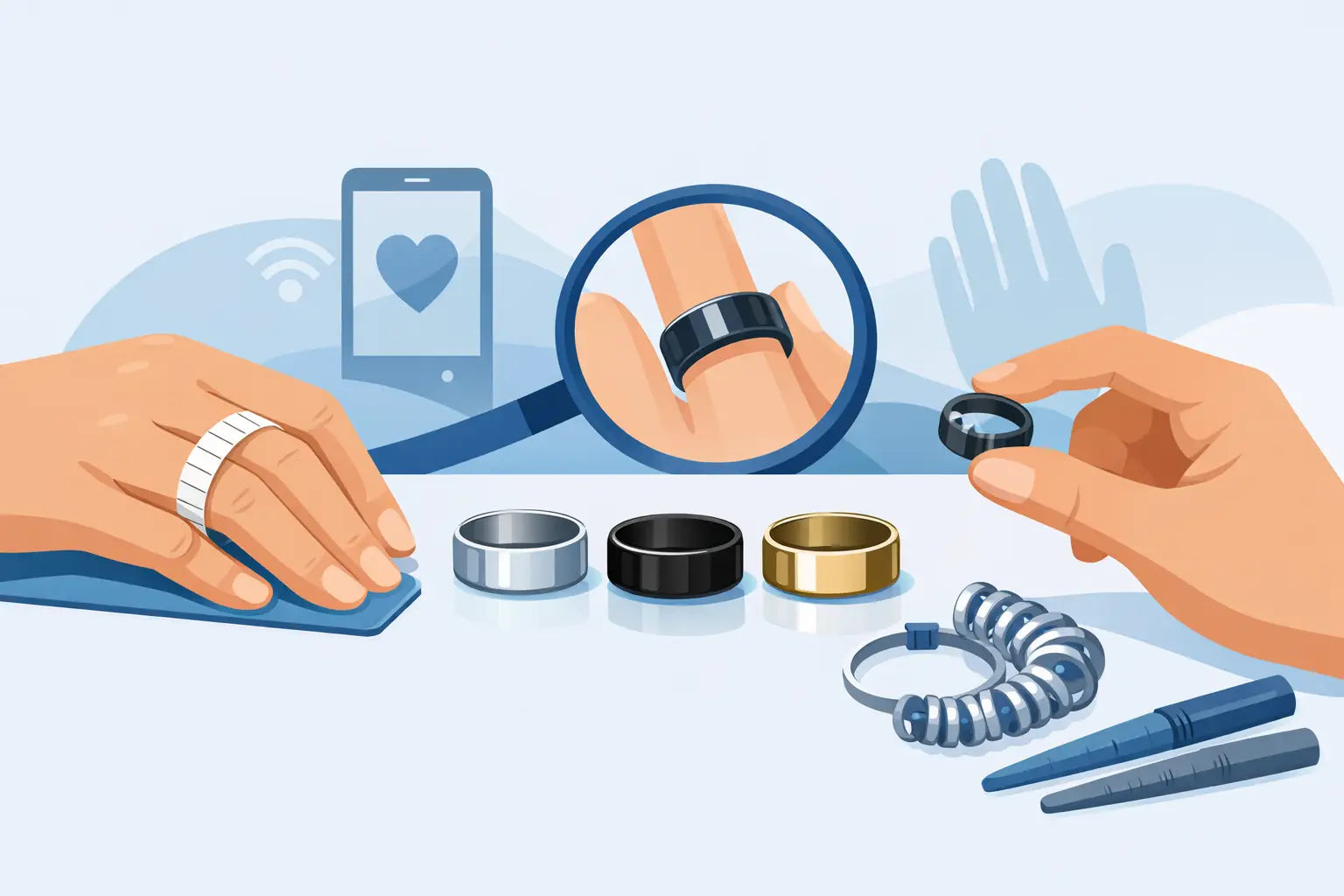
When wearing it, pay attention to the right size and a firm, comfortable fit. Only then can the ring reliably capture movements and you will also like wearing it at night and in everyday life. If you are unsure between sizes, you should first use a ring sizing tool instead of making compromises on comfort.
Do not let your data dictate your day. Use them as a quiet impulse: a little more rest today, a little earlier to bed tomorrow, a walk outside on the weekend. Exactly from these manageable decisions arises an activity level that not only looks good, but also feels good.

Leave a comment
This site is protected by hCaptcha and the hCaptcha Privacy Policy and Terms of Service apply.