
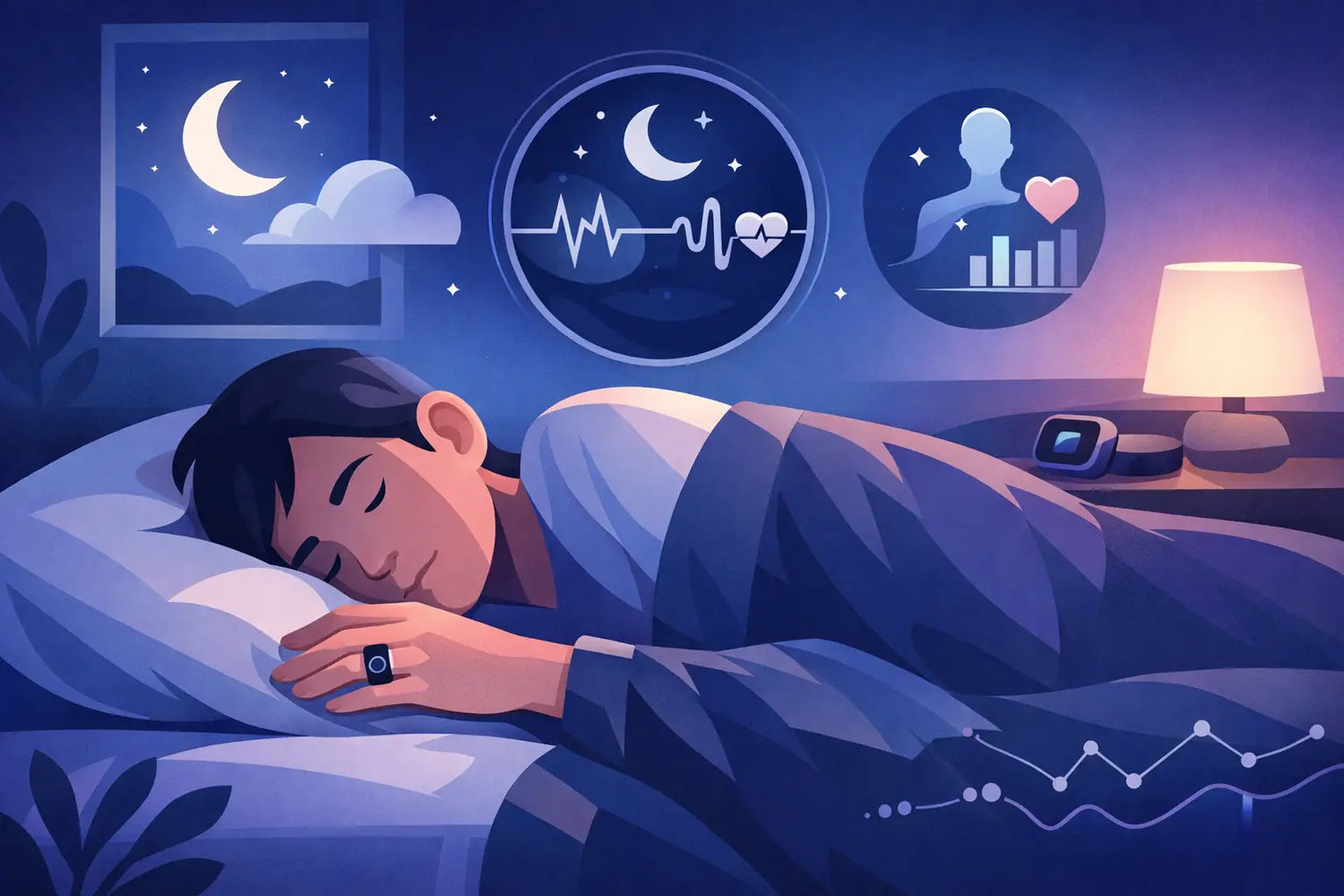
The alarm rings, you have spent eight hours in bed, yet you still don't feel refreshed. This is exactly where the added value begins if you want to understand your nightly recovery with a smart ring: Not only does the duration of sleep count. What matters is how peacefully your body actually gets through the night, how often it gets out of rhythm, and whether your values change over several nights.
A smart ring makes these connections visible without you having to wear a display on your wrist at night. Worn elegantly on the finger, it collects data in the background. In the morning, you don't receive a complicated medical record, but a clear basis for better decisions in everyday life.
What nightly recovery really means
Recovery is more than sleep time. Your body uses the night to provide energy, process stress, and regulate important regeneration processes. A long night can still be unrefreshing if it is characterized by restlessness, late eating, alcohol, stress, or an unfavorable sleep rhythm.
A smart ring therefore looks at several signals together. These usually include your sleep duration, wake phases, movements, heart rate, its variability, and partly also temperature trends. From the interplay arises a clear view of the question that really matters in everyday life: Was this night restorative for my body?
This is not about perfection. No one sleeps the same every night. A late party, a project with a tight schedule, or a sick child change values in the short term. The measurement becomes relevant when you recognize patterns. Do you regularly feel tired after certain evenings? Does your body recover better on the weekend, or does your rhythm shift too much? The data gives such observations a tangible basis.
Understanding nightly recovery with a smart ring: The most important values
Numbers only seem helpful when it is clear what they mean in everyday life. Therefore, never look at individual values in isolation. Your personal trend is more valuable than comparing it with someone else's ideal values.
Sleep duration and sleep rhythm
Sleep duration shows how much time you actually spent sleeping. This is a good start, but not a complete judgment. Someone who sleeps seven hours very restlessly may feel less rested than someone with slightly shorter, but more consistent sleep.
The rhythm is at least as revealing. If you go to bed at completely different times during the week and on the weekend, your body has to reorient itself again and again. A ring can make visible whether your bedtime and wake-up time remain stable enough. Often, even a shift of 30 minutes brings more than trying to catch up on sleep on the weekend.
Rest periods, interruptions, and movements
Short moments of wakefulness are normal and often go unnoticed. However, if movements and interruptions increase, the quality of the night decreases. The value is particularly useful if you have slept for a long time in the morning, yet still feel exhausted.
Pay attention to changes instead of a single restless night. Perhaps you notice that late heavy meals, a warm bedroom, or long scrolling in bed regularly coincide with more restlessness. These are concrete starting points that you can test.
Nighttime heart rate
During a relaxed night, the heart rate of many people drops compared to their daytime level. If it remains unusually high, it can indicate stress - for example, due to intense training, stress, alcohol, a later meal, or a developing infection.
The word unusual is important. A low or high heart rate has no fixed meaning without context. What matters is how your value looks in relation to your own usual night and how you feel. Especially for active people, this development can help to better coordinate training and recovery.
Heart rate variability as a recovery signal
Heart rate variability, often displayed as HRV, describes the small time differences between heartbeats. Simply put, a stable personal HRV trend can indicate that your body processes stress well. If the value drops significantly below your personal level over several nights, it is worth taking a closer look at stress, sleep, exercise, and recovery.
HRV reacts sensitively to many factors. Therefore, it is not a performance test and certainly not a diagnosis. It is a signal that, together with sleep quality, resting heart rate, and your body feeling, provides orientation. Someone who feels run down and at the same time sees several unfavorable trends will better consciously plan a quieter day.
Correctly interpreting temperature trends
Small fluctuations in the measured temperature can be part of the normal cycle and daily regulation. They become relevant primarily as a trend over several nights. Some people recognize through this that their body needs more regeneration before they feel significantly sick in everyday life.
The same applies here: A single outlier is no reason for concern. Room temperature, blankets, late training, and alcohol can influence measurements. Recurring significant changes or discomfort should be handed over to medical professionals if necessary, not to self-diagnosis via an app.
Why the trend is more important than the score
A recovery or sleep score is practical because it condenses complex data at a glance. It helps you quickly categorize a night. But it should not determine how you evaluate your day. If you feel fit, a mediocre score does not automatically have to be a warning signal. And if you are exhausted, you must not ignore your body feeling just because the app shows a good value.
The best insights arise after two to four weeks of regular wear. Then you recognize your personal baseline: your typical sleep time, your normal resting heart rate, and the way your body reacts to stress. Only against this background do outliers really become meaningful.
One simple way is to change only one habit at a time. For example, put away your phone 45 minutes before going to sleep for one week. The next week, avoid late large meals. Then check not only the score, but also falling asleep time, interruptions, and your morning energy feeling. This turns data collection into a routine that actually benefits you.
Small adjustments that can noticeably change your nights
The most common mistake is trying to change all habits at once. This creates pressure and rarely lasts long. Small, realistic steps that fit into your everyday life work better.
A consistent sleep rhythm is the strongest lever for many people. In addition, a cool, dark sleeping area and a quiet transition from the workday to the evening help. Those who train intensively can observe whether very late training improves the night or creates restlessness. This is individual - that is exactly why your own trends are so valuable.
Enjoyment foods also deserve an honest look. Alcohol can make you sleepy, but it can also make the second half of the night significantly more restless. Caffeine works for many hours after depending on the person. The smart ring does not make these decisions for you, but it shows what consequences they can have for your recovery.
Discreet measurement, consistent follow-through
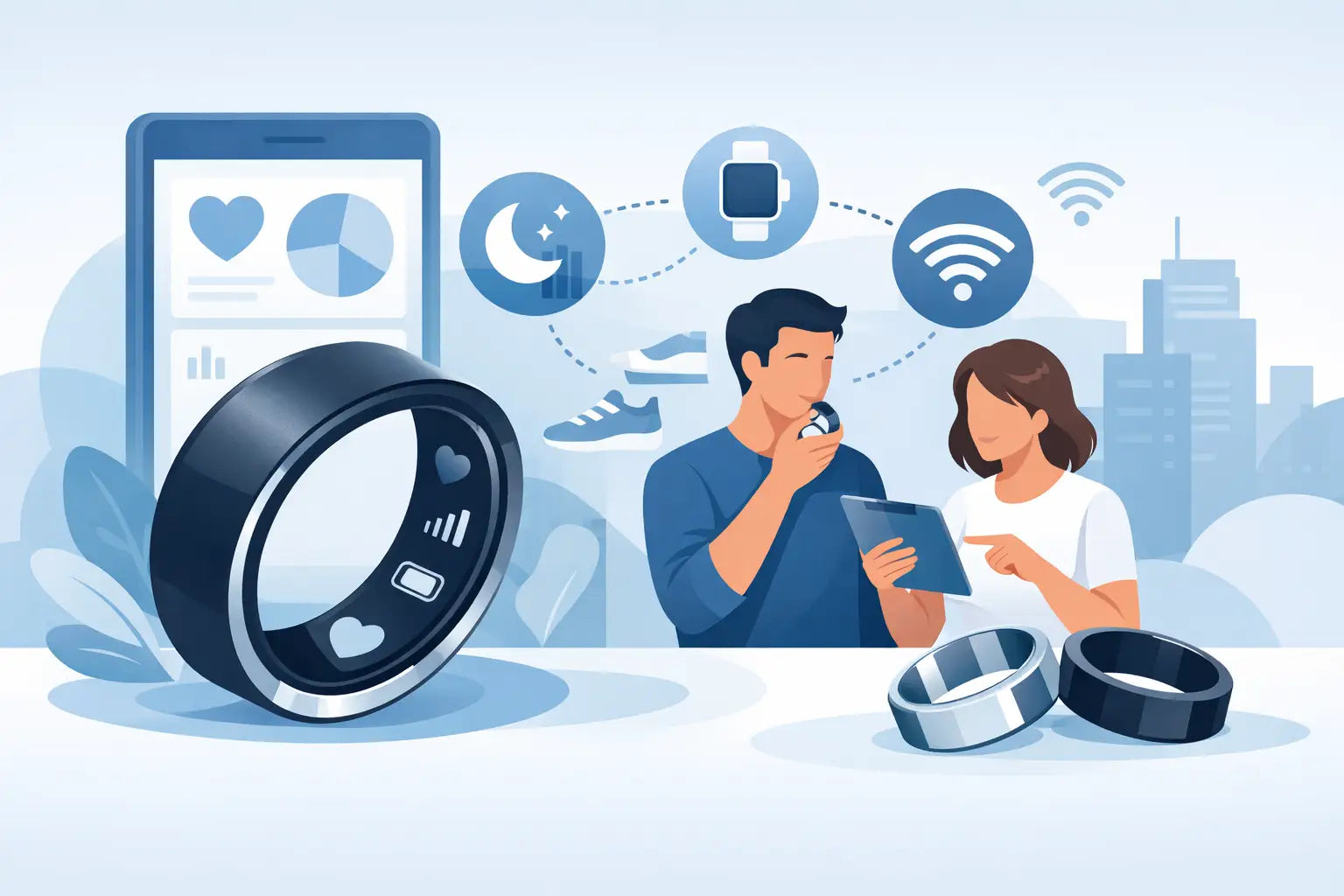
A wearable only helps if you like wearing it. For many, a ring is more comfortable than a watch on the wrist - especially at night. No glowing display, no bulky feeling, no interruption of your evening routine. The Fitorb Smart Ring Pro combines this discreet comfort with a stylish design, so that health data does not feel like an additional appointment, but naturally belongs to your everyday life.
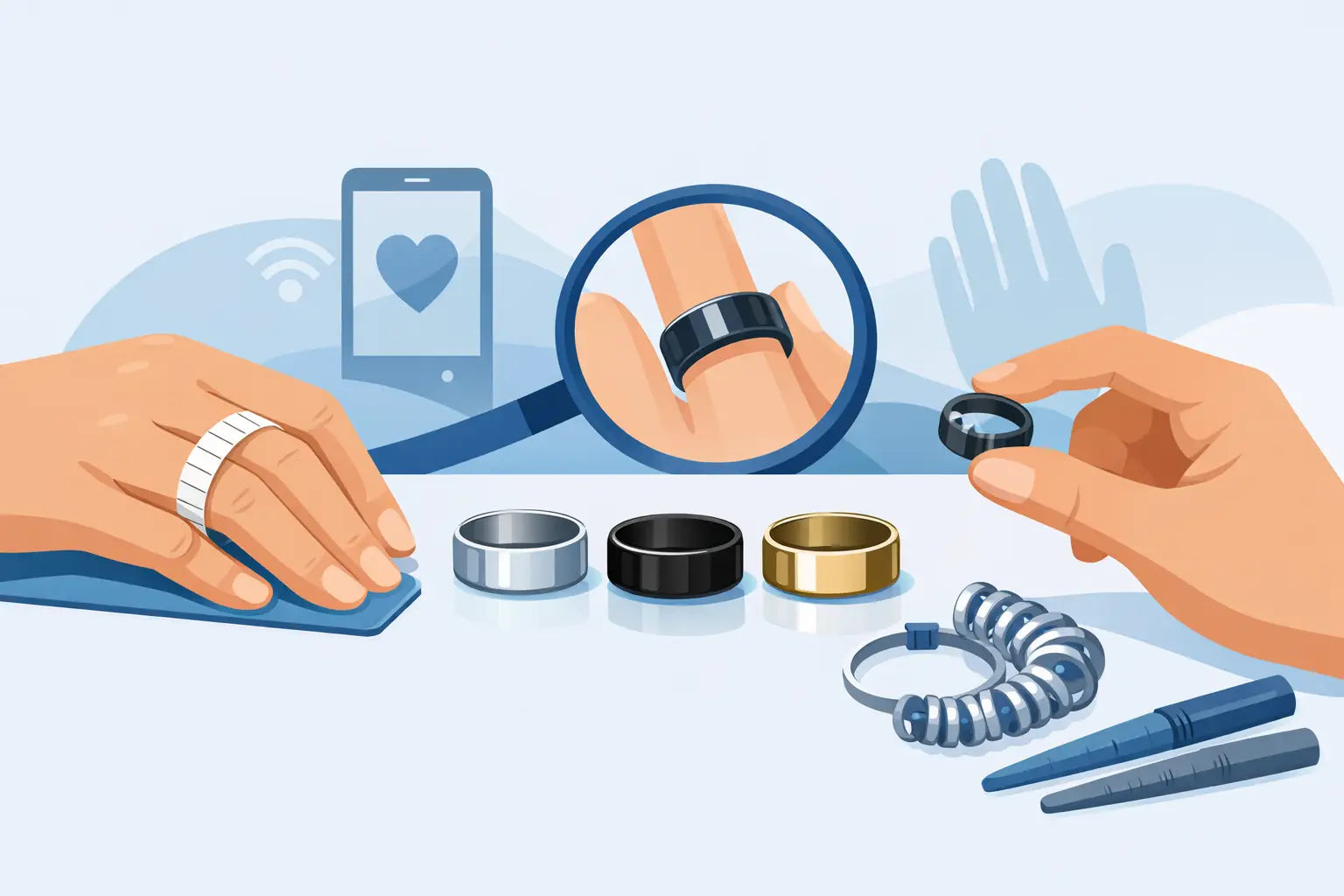
Wear the ring as regularly as possible and pay attention to the right size. A good fit not only improves comfort, but also the consistency of the measurement. With one night without a ring, no personal success is missed - but the more consistent your data basis, the clearer your patterns become.
When data is not enough
Sleep tracking is a strong orientation, but does not replace medical advice. Seek medical advice if you are severely exhausted for a long time, frequently suspect breathing pauses, experience pronounced snoring with daytime sleepiness, or if your symptoms worsen. A smart ring can make changes visible, but cannot reliably diagnose an illness.
The best view of your night is therefore a combination of data and self-awareness. Do not use the ring to control every number, but to ask better questions: What did me good yesterday? What is recovery costing me? And what small change do I want to try this evening? That is exactly where a measured night becomes a noticeably better routine.

Leave a comment
This site is protected by hCaptcha and the hCaptcha Privacy Policy and Terms of Service apply.